Vinyl Flooring
Why choose vinyl flooring?
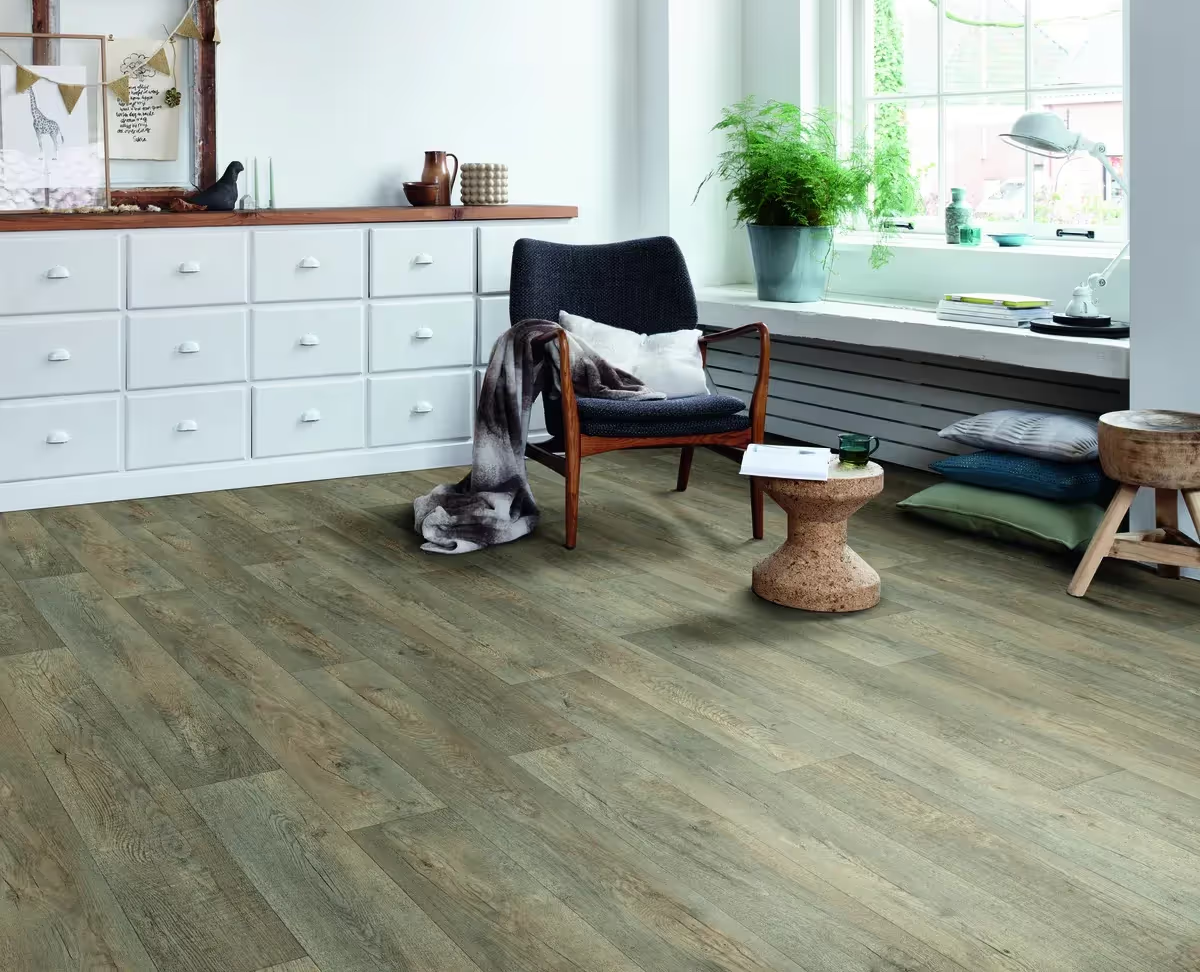
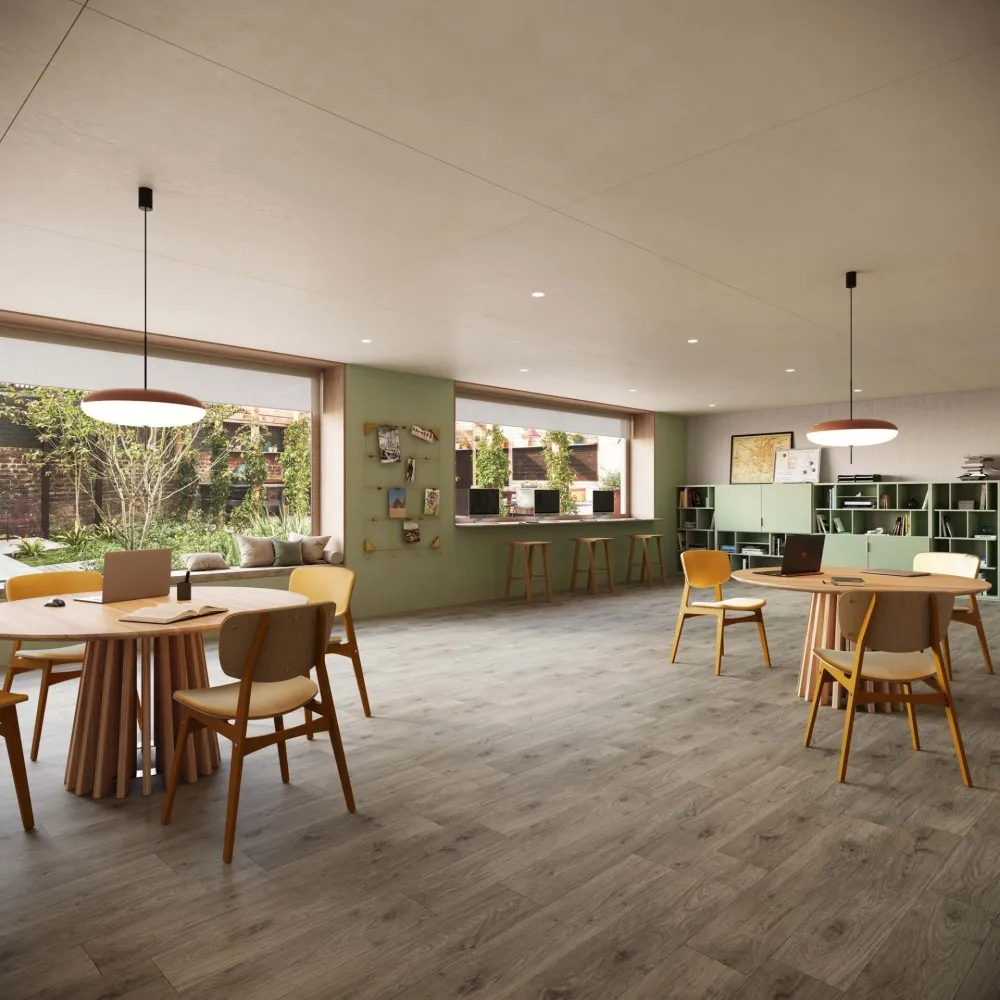
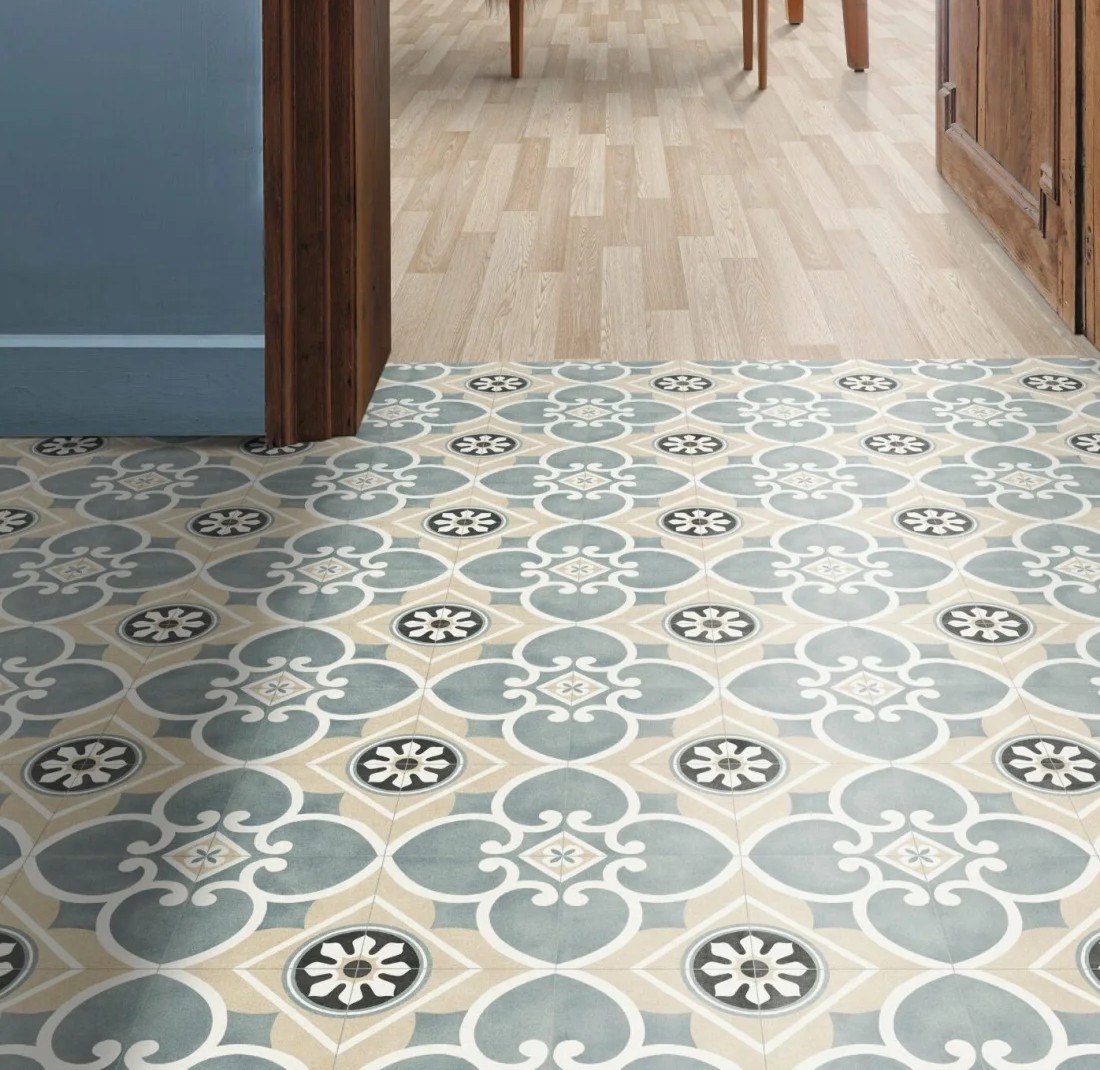
Vinyl flooring is a smart, versatile choice for homes that need to balance lifestyle, style, and practicality. Available in sheets, planks, and tiles, modern vinyl can convincingly replicate the look of timber, stone, or ceramic — but with added softness underfoot and far less maintenance. It’s ideal for high-use zones like kitchens, bathrooms, laundries, and hallways, thanks to its water-resistant design and commercial-grade durability.
Easy to clean and warmer than tiles, vinyl is also a great option for families with kids or pets. If a plank or tile gets damaged, it can be quickly replaced without redoing the whole floor. With fewer joins, sheet vinyl offers even better moisture protection — especially in wet areas.
Whether you're after something classic or contemporary, vinyl flooring offers a wide range of looks that work beautifully alongside carpeted rooms or on its own. And because it’s built to last, vinyl is a cost-effective investment that delivers comfort, style, and performance for years to come.

Moduleo Impress LVP
Frequently asked questions
Vinyl flooring is waterproof, including both sheet vinyl and many vinyl plank products. In wet areas such as bathrooms and laundries, the New Zealand Building Code requires floors to prevent water from penetrating to the subfloor.
When properly installed with sealed joins, sheet vinyl is recognised as an impervious surface under NZBC E3. This means it prevents water passing through the surface, provided seams and edges are correctly sealed to stop moisture getting underneath.
Vinyl flooring generally feels warmer underfoot than ceramic tiles, as it sits closer to the ambient room temperature. While it is still a resilient surface, it provides more comfort underfoot, which can help reduce leg fatigue in areas where you stand for long periods.
Vinyl can also help soften footstep noise, making your home feel quieter and more comfortable. As a softer surface, it’s important to take care when moving sharp or heavy items to help prevent damage.
Vinyl flooring is highly durable due to its layered construction. The protective wear layer on top resists scratches, scuffs and stains, helping the surface maintain its appearance over time.
Sheet vinyl flooring with a high-density backing offers a balance of support and comfort, while vinyl plank flooring with fibreglass-reinforced backing provides strong dimensional stability and resistance to shrinking.
The cost of vinyl flooring depends on several factors. Higher-quality products with a thicker wear layer or reinforced backing are priced higher, as they’re more durable and designed to perform well over time.
Manufacturing technology can also affect cost. For example, embossed-in-register finishes, where the surface texture aligns with the printed knot or grain detail, and advanced digital printing techniques that allow for larger pattern repeats and greater colour variation can affect cost.
As vinyl flooring is imported into New Zealand, shipping costs and exchange rates may also influence pricing.
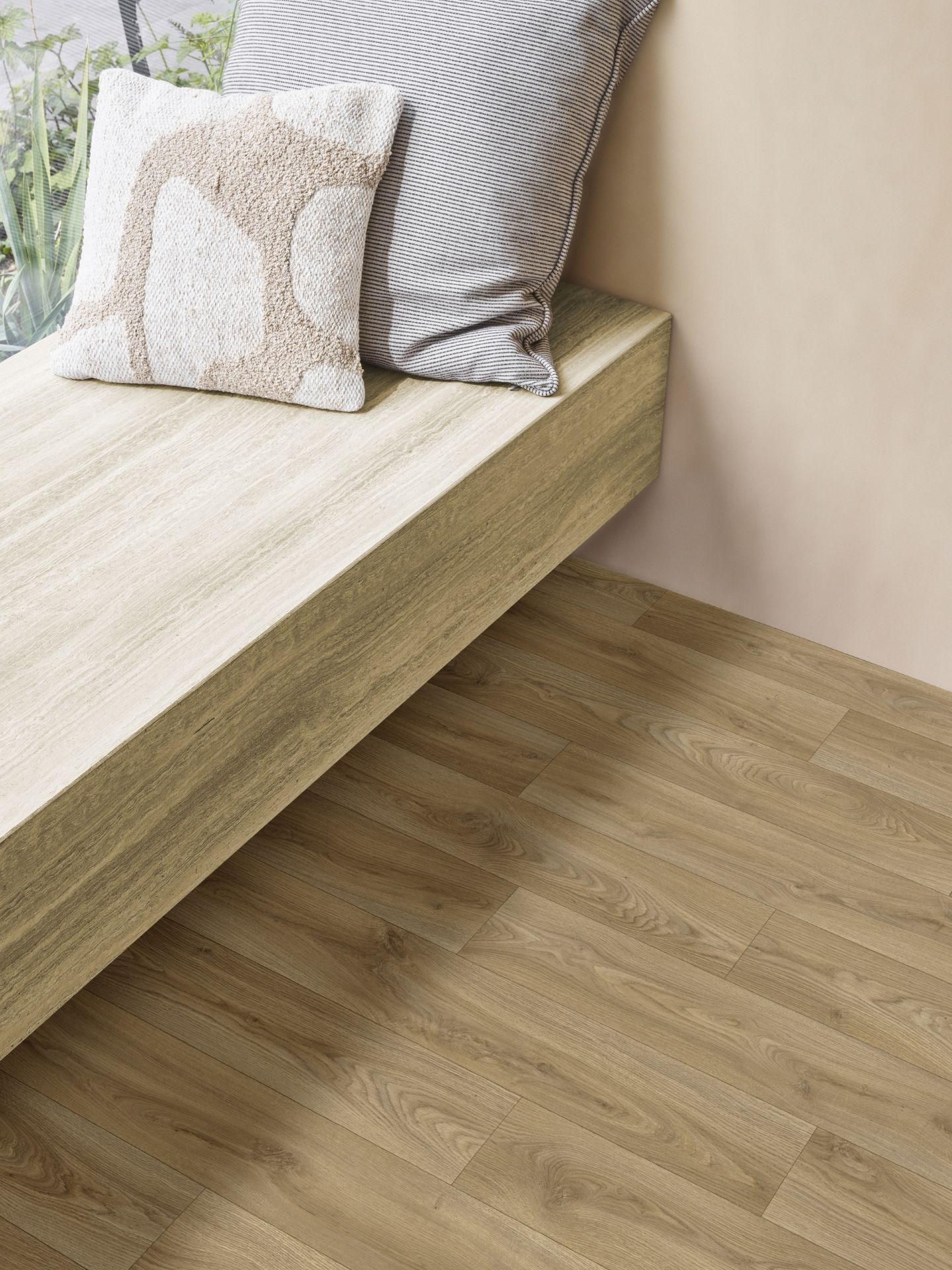
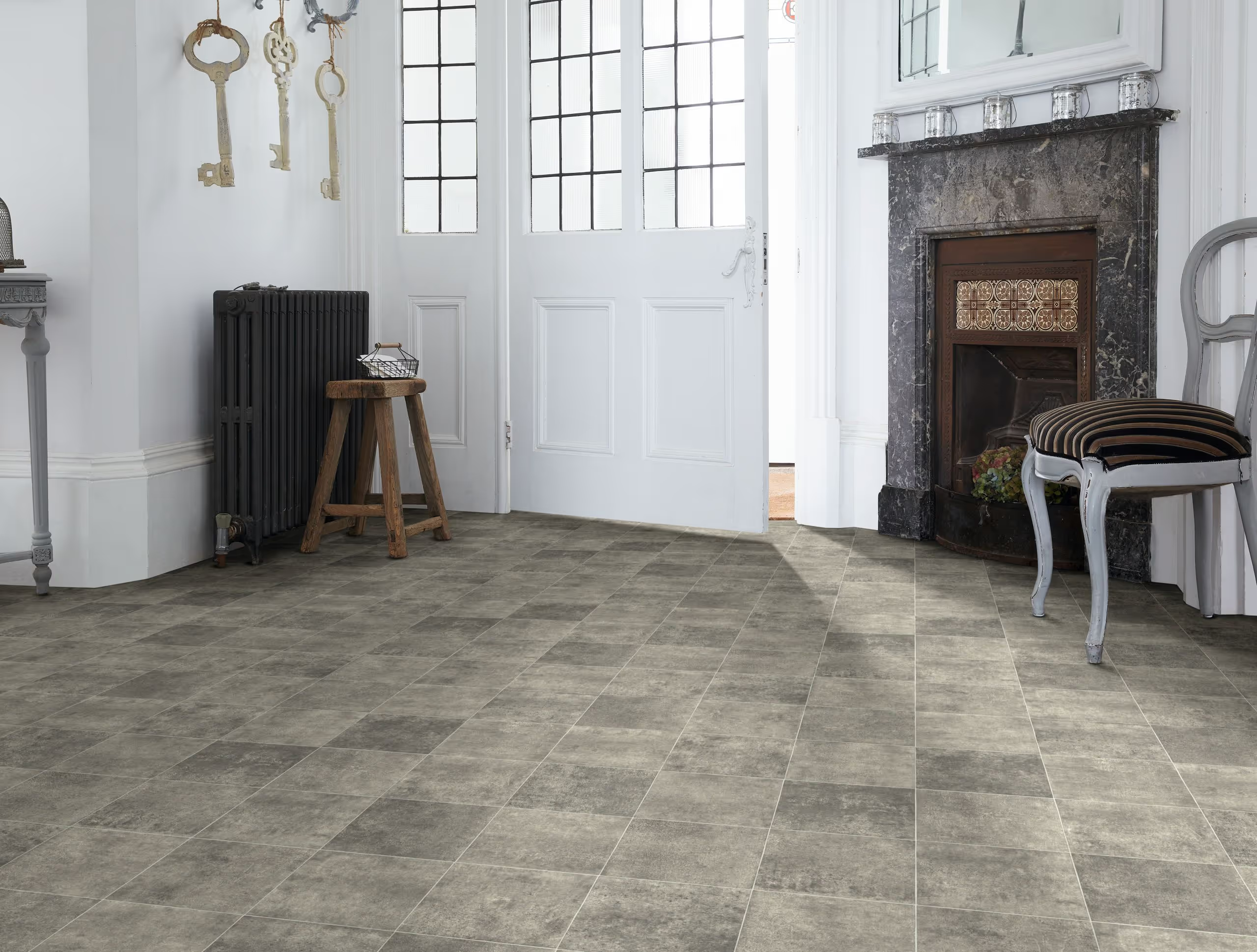
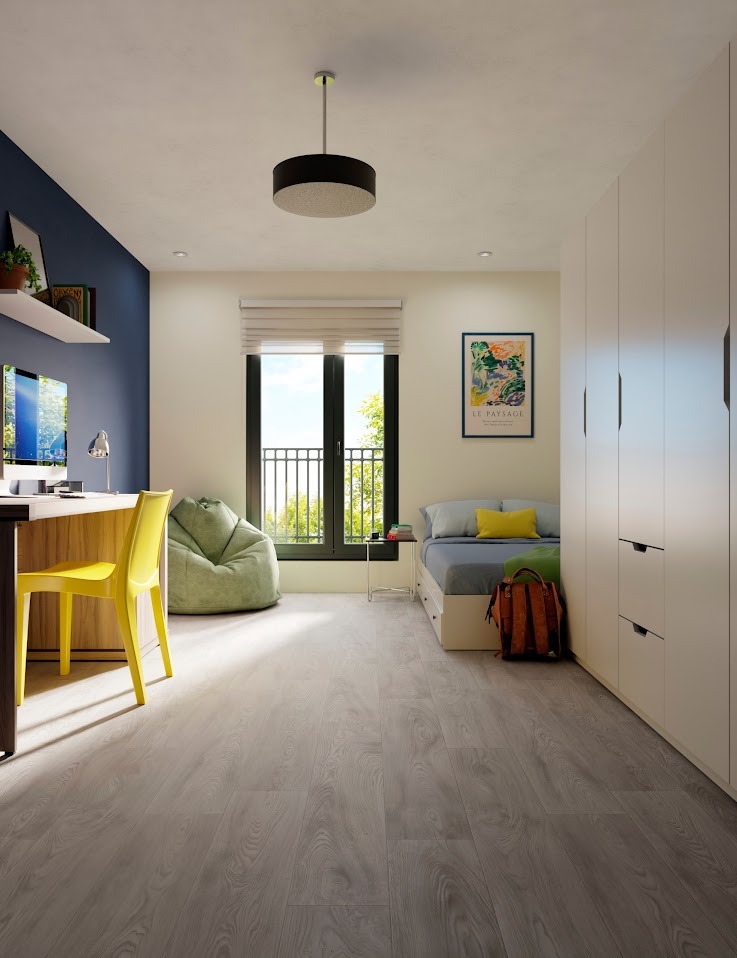
Modern vinyl flooring is designed to look realistic. High-quality vinyl planks and tiles often replicate the appearance of timber, stone, or ceramic, with detailed textures, embossing, and printed patterns. When installed correctly, the visual effect can be almost indistinguishable from the real material, making it a practical option for homes.
Vinyl flooring is easy to clean. Regular sweeping or vacuuming, along with occasional mopping using our recommended Pergo and Bona cleaning products, will help keep it in great condition. Spills should be wiped up quickly, and steam mops are not recommended for cleaning vinyl floors.
Vinyl flooring can be installed over existing tiles, provided the surface is clean, flat, smooth, dry and structurally sound. The substrate must also meet adhesive and preparation requirements to comply with Floor NZ Best Practice Guidelines and relevant New Zealand standards. Without proper surface preparation, product warranties may become void.
Both vinyl sheet and vinyl plank (or tiles) flooring are suitable for wet areas, so either can work well in kitchens, bathrooms and laundries.
Sheet vinyl is supplied in large rolls and often features a softer backing, giving it a slightly cushioned feel underfoot. Vinyl planks and luxury vinyl tiles (LVT) are supplied in individual planks or tiles that are laid piece by piece, creating a defined plank or tile look. They are firmer and more rigid than sheet vinyl, which can provide added durability in areas where heavy furniture is placed.
An added benefit of vinyl plank flooring is that if a plank or tile is damaged, it can usually be replaced individually without needing to replace the entire floor.
Laminate flooring and vinyl plank flooring, often referred to as LVT (luxury vinyl tile), are constructed differently. LVT is made from layers of PVC and fibreglass, making it highly durable and waterproof.
Laminate is made from compressed (AFT) wood with a protective top layer, giving it a hard, durable surface. LVT is glued directly to the floor, creating a solid surface, whereas laminate is installed as a floating floor, with a thin, dense underlay. The planks click together and “float,” allowing them to expand and contract with changes in moisture and humidity.
Laminate is generally more fade-resistant, while LVT offers superior water resistance. Both laminate and LVT ranges are suitable for installation in wet areas