Living near the coast has its perks. Sea air, open windows, a bit of breeze rolling through the house in the evenings. But it also brings moisture, salt, and fine sand that quietly settle into floors over time. In many homes, those conditions show up first underfoot rather than on the walls.
When choosing coastal home flooring, the real question is not just how it looks on installation day. It is how it behaves after several summers of humidity, damp winter mornings, and steady foot traffic from outdoors. That longer view tends to shape better decisions. With New Zealand weather conditions often providing four seasons in a day, adequate future-proofing is needed for effective floors.
In homes closer to the water, the team at Harrisons Flooring often see a clear difference between products that stay stable and those that begin to shift or show wear and tear sooner than expected.
Why Coastal and Humid Conditions Matter
Humidity affects materials gradually. Floors expand slightly when moisture levels rise and contract again as the air dries. That movement may be subtle, but over 10 to 15 years, it can influence joints, surface wear, and overall stability. To sustain your floor's integrity over time, it is worth paying attention to the design materials as well as keeping up with floor maintenance.
Salt in coastal air can also settle indoors, especially in homes with good cross-ventilation. Add sand carried in from outside, and you have a steady, fine abrasive working across the surface. Those kiwi homes are no strangers to some sand making its way inside, but best to be on top of this when planning your indoor and outdoor flow. Of course, both fun and the longevity of your floors matter.
When considering flooring for humid areas, the key factor is how well a material handles moisture variation rather than whether it feels solid at first touch. Stability over time tends to matter more than surface appearance in these environments.
Hybrid and Vinyl in Coastal Homes
Rigid core products are commonly chosen for coastal properties because they are less reactive to moisture shifts than traditional timber. Hybrid flooring options are built with a dense core layer and a protective wear surface, which helps reduce movement when humidity rises.
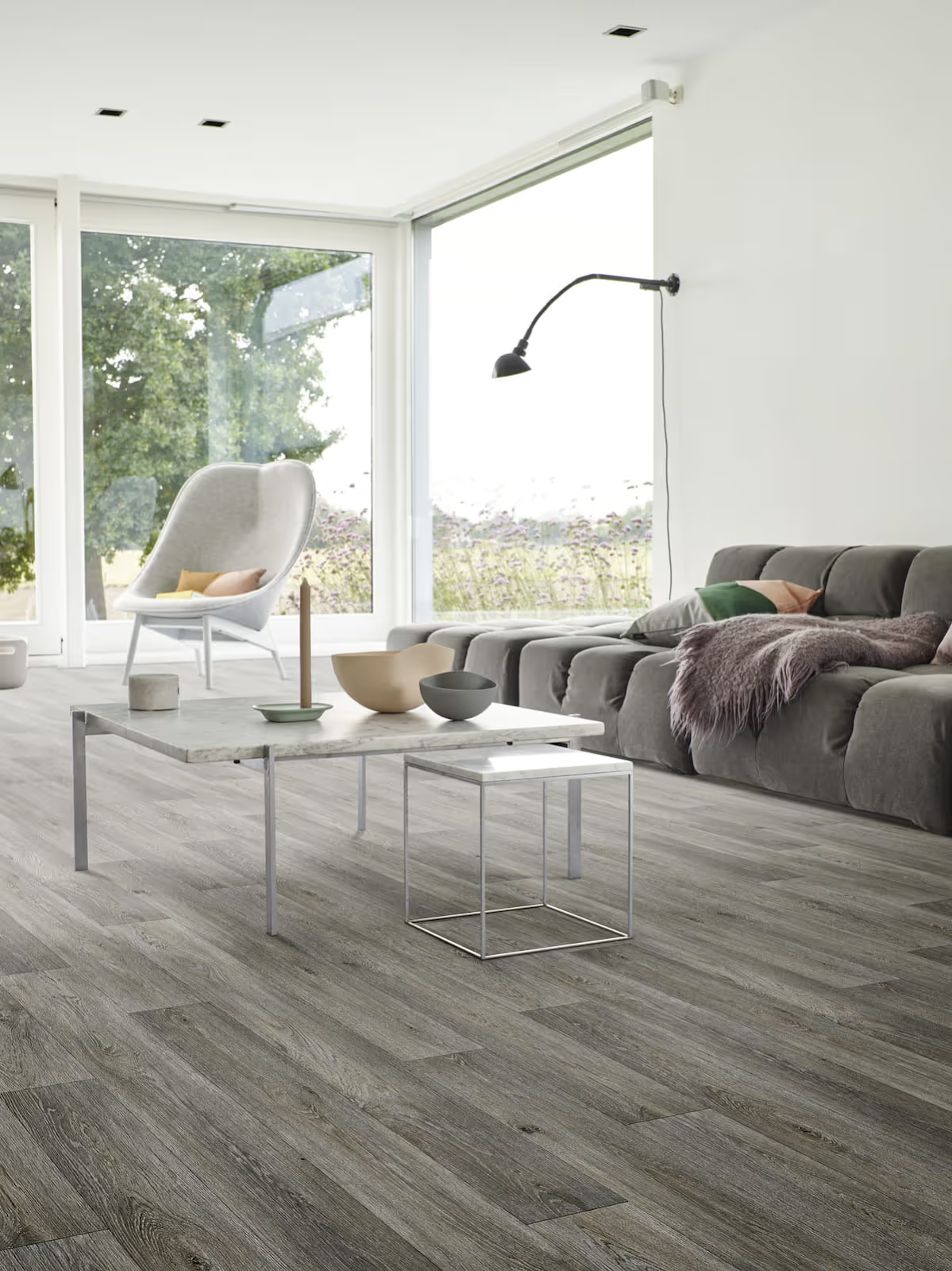
Similarly, vinyl plank flooring performs consistently in kitchens, living areas, and entry points where sand and damp shoes are part of daily life. These surfaces are easier to clean and generally cope well with regular exposure to moisture. Vinyl plank flooring could be an option for you if you are a regular at the beach, as this surface can easily be maintained in tandem with a busy beach-loving household.
Under typical residential conditions, hybrid and vinyl systems are often expected to perform within a 15 to 25 year range, depending on installation quality and maintenance. That does not make them immune to wear, but it does mean they tend to remain stable through seasonal changes that can unsettle other materials. If you regularly visit the beach, the longevity of this type of flooring system could prove longer-lasting.
Carpet in Humid Coastal Areas
Carpet is sometimes overlooked in coastal settings, but it can still suit interior bedrooms and insulated living spaces. The important detail is fibre type and construction.
Solution-dyed nylon with a dense pile and supportive underlay generally handles compression and minor grit better than lighter constructions. You can compare different specifications within carpet flooring ranges to see how density and fibre composition vary.
Carpet may not be ideal directly inside beach entry points, but in controlled areas of the home, it can remain comfortable and stable over time, particularly when sand is managed properly at entrances. Of course, carpets do add design flourishes and also keep your home warm underfoot, so navigating different options for various rooms can be intentional within your design.
Timber and Laminate in Moisture-Prone Areas
Engineered timber and laminate flooring both bring a natural finish, but they require more careful consideration in coastal or humid conditions.
Engineered timber flooring contains real wood layers, which means it will still respond to environmental changes. With appropriate expansion allowances and stable indoor conditions, it may perform well over 15 to 20 years. However, in homes with higher humidity swings, movement is more noticeable.
Laminate flooring varies widely depending on its rating. Higher AC-rated products are more suitable for steady foot traffic, but moisture exposure remains a factor. You can review laminate flooring specifications carefully before committing to installation in areas close to exterior doors or open-plan beachside living spaces. Consider your unique home’s location within your neighbourhood and the rain and sun patterns within New Zealand’s weather.
Subfloor Preparation in Coastal Homes
One of the most overlooked factors in coastal home flooring is what sits underneath the visible surface.
Concrete slabs may hold residual moisture if not tested properly. Older homes with raised foundations can experience airflow changes depending on season and wind direction. Even small moisture variations beneath the floor can influence performance over time.
A proper moisture check, expansion planning, and careful installation often matter as much as the product itself. This is usually assessed during a free in-home measure and quote with Harrisons Flooring, where subfloor condition and environmental factors are reviewed before recommendations are made. Your home’s unique location and proximity to the elements, beach and wind are all considered when prepping your floors.
Choosing Flooring That Stays Stable
The right choice for flooring for humid areas is not about finding something that never reacts. In coastal homes, materials will respond to moisture and daily use to some degree. What matters more is choosing a surface that handles those changes in a steady, predictable way. While weather patterns, especially within New Zealand, can be somewhat unpredictable - especially in summer- having assistance from Harrisons Flooring can allow you to plan the landscape of your floor with confidence.
Near the coast, wear usually builds slowly. Sand comes in on shoes. Humidity shifts between seasons. Windows stay open more often. None of it is dramatic on its own, but over the years, those small factors shape how a floor looks and feels. Your summer may be full of swims and beach walks with the dog, while your winters might be more insular. Therefore, you will need flooring solutions for both conditions and thoughtful consideration of your home from season-to-season.
When a product suits the environment from the start, it tends to settle in better. Rooms feel consistent, movement is minimal, and maintenance stays manageable rather than becoming a constant adjustment.
That practical approach is generally how Harrisons Flooring looks at coastal home flooring, starting with how the house behaves through the year and then matching materials to those conditions. Harrisons Flooring understands New Zealand homes and caters to the array of weather conditions each city or area faces.